Table of Contents

Introduction
Mediation and visualization are two very effective techniques that if combined can greatly improve one’s ability to be in tune with themselves, and find balance and direction in their life. Meditation allows you to slow down your mind and be centered in the moment whereas visualization helps you to develop mental pictures that reflect what you want in your life, how you want it to be and even how you want to feel. Both of them are a great combination for personal development and stress reduction.
It is not uncommon in today’s society for people to feel overwhelmed and often distracted. This is where the mindfulness techniques can be of great help. Some techniques such as meditation and visualization can improve your mental and emotional strength and help you get in touch with your core. Whether you want to reduce stress, become more creative, or develop as a person, these techniques can assist you in creating a purposeful life
Spend a minutes every day to experience the impacts of these straightforward yet impactful techniques in your life! Now lets explore how practicing meditation and visualization together can change your mindset and lead you to discover harmony and clarity of purpose.
The Science Behind Meditation and Visualization
Research shows that meditation reduces stress by lowering cortisol levels and increasing mindfulness. Visualization activates neural pathways that reinforce positive habits and help achieve goals. Together, these practices enhance mental clarity, creativity, and resilience.
External Resource: Learn about the science of meditation and visualization from Mindful.org.
“The mind is everything. What you think, you become.”
– Buddha

Benefits of Combining Meditation and Visualization
- Improved Focus and Concentration: Meditation trains the mind to stay present, while visualization aligns your focus with your goals.
- Stress Reduction: Visualizing peaceful settings while meditating calms the nervous system.
- Enhanced Creativity: Meditation clears mental clutter, and visualization sparks fresh ideas.
- Emotional Healing: Together, they help process emotions and foster a sense of well-being
Step-by-Step Guide to Meditation and Visualization
Preparing for Your Practice
- Find a quiet and comfortable space.
- Sit or lie down in a relaxed position.
- Close your eyes and take a few deep breaths.
Simple Meditation Techniques
- Focus on your breath, observing the sensation as you inhale and exhale.
- Repeat a calming mantra like “I am at peace.”
Visualization Exercises for Beginners
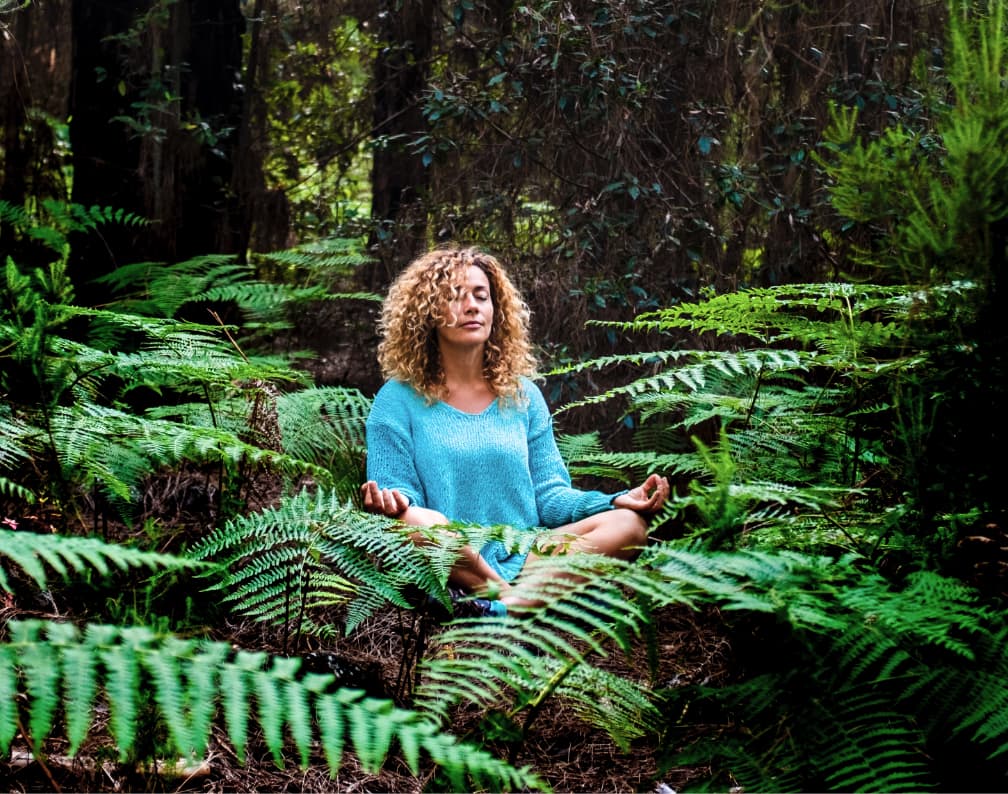
- Peaceful Scene Visualization: Imagine yourself in a serene forest or by the ocean, feeling the breeze and hearing the sounds around you.
- Goal-Oriented Visualization: Picture yourself achieving a specific goal, like completing a yoga pose or giving a successful presentation.
For more on how yoga enhances mindfulness, check out Mindful Yoga: Unlock Daily Harmony and Inner Peace.
Common Challenges and How to Overcome Them
- Wandering Mind: It’s natural—gently return your focus to your breath or visualization.
- Time Constraints: Start with just 5 minutes a day and build from there.
- Overthinking Visualization: Keep it simple; focus on sensory details like colors, textures, and sounds
Integrating Meditation and Visualization Into Daily Life
- Start your morning with 5 minutes of mindfulness followed by a brief visualization.
- Use visualization to relax during lunch breaks or prepare for big tasks.
- Incorporate it into your bedtime routine for a peaceful night’s sleep.

Resources for Guided Meditation and Visualization
- Explore free guided meditations on Insight Timer.
- Download visualization scripts from reputable sources like Headspace.
Guided Meditation and Visualization Video
For a serene start to your practice, follow along with this guided visualization meditation video:
Conclusion
Engaging in meditation and visualization can be tools, for enhancing tranquility and focus while bringing meaning to your everyday experiences.Try setting aside an amount of time each day to tap into your capabilities and live more mindfully and purposefully. Begin with steps that repeatedly embrace these routines. Observe how they gradually foster enduring transformation, in your life.